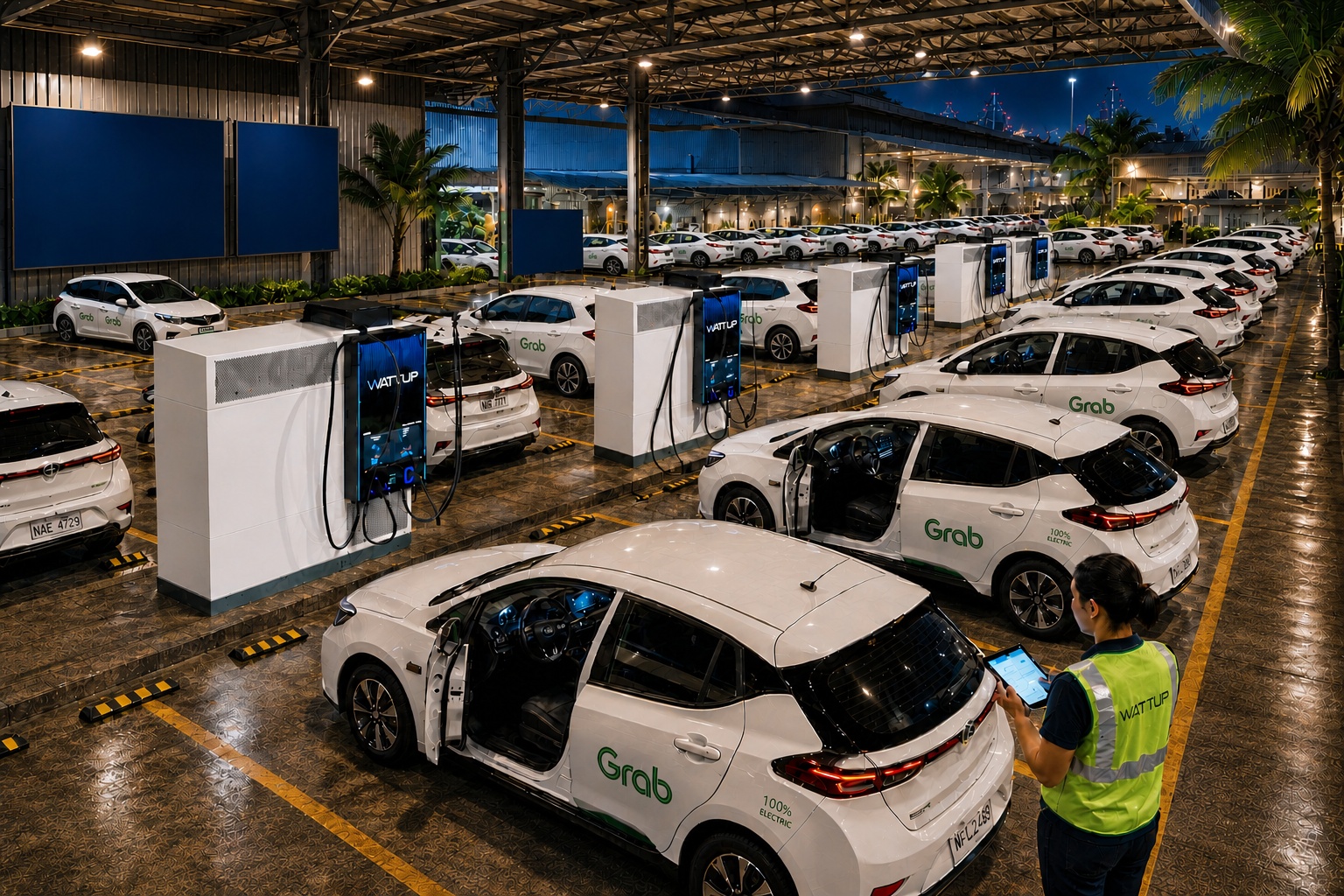
WattUp APAC charging depot at night with commercial electric vehicles preparing for dispatch.
What We Do

We make fleet electrification work in the markets that need it most.

WattUp APAC combines capital, charging infrastructure, vehicle access, and fleet intelligence so local operators can electrify ride-hailing, urban transport, and commercial fleets without carrying the full cost and complexity alone.

The Problem

Across Southeast Asia, the need is clear. The operating model is what's missing.

The region does not need more EV rhetoric. It needs fleets that can launch, charge, dispatch, report, and scale in real markets with real operators.

Where we start

WattUp APAC focuses on the vehicles that already move millions of people each day.

We prioritize ride-hailing fleets, urban transport operators, and commercial service vehicles where depot-based charging, high daily utilisation, and repeatable operating economics can support real electrification at scale.

  • High-frequency daily movementVehicles that run every day create the utilisation needed to prove the model in-market.
  • Depot and turnaround compatibilityWe focus on operating patterns where charging can be planned around real dispatch and service windows.
  • Commercial fleets with scalable economicsThe goal is not isolated pilots, but repeatable fleet economics that can compound across markets.
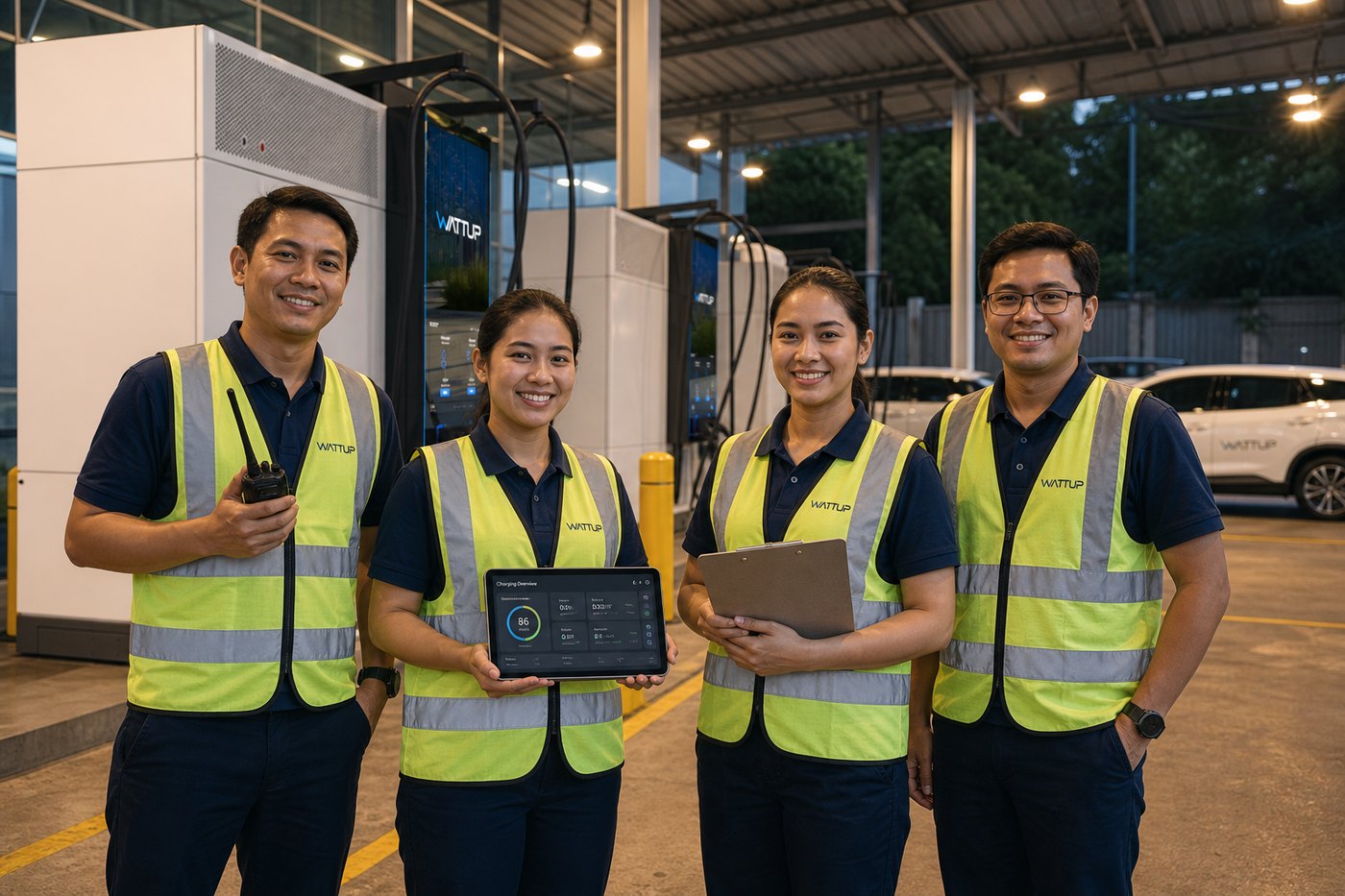
WattUp fleet operations staff working at an active charging depot during a vehicle turnaround window.

High upfront capital

Fleet operators across Southeast Asia often need to electrify before traditional lenders are ready to underwrite the transition at the speed the market demands.

Charging is an operating problem, not an equipment purchase

Commercial fleets need depot infrastructure, power planning, nightly charging discipline, and uptime support — not just chargers dropped onto a site.

Vehicle supply and tariff complexity slow adoption

OEM availability, utility coordination, and regional market structure can delay rollout even when fleet demand is already proven.

Most platforms stop before fleet economics are visible

Operators, drivers, cities, and utility partners need one shared operating view of readiness, utilisation, battery health, and impact reporting.

Three Capabilities

Three integrated capabilities. One operating system for fleet transition.

WattUp APAC is not a charger vendor, a software layer, or a vehicle broker in isolation. The model works because these capabilities are integrated from day one.

Capital & partnership structuring

WattUp APAC provides the capital investment, vehicle access, and commercial structure that lets local operators electrify without taking on the full financing burden alone.

  • Upfront equity support rather than asking partners to carry the full debt load
  • Commercial models designed around long-term fleet performance, not one-time equipment sales
  • Structured for operators running ride-hailing, urban transport, and repeat-route commercial fleets

Smart depot charging infrastructure

We design, install, and operate smart charging systems at the fleet depot so every vehicle is ready by morning dispatch at the lowest possible grid cost.

  • Site planning, hardware deployment, and operating support wrapped into the partnership model
  • Battery-integrated, schedule-aware charging tuned to off-peak tariff windows where available
  • Built for consistent overnight fleet readiness instead of ad hoc daytime charging behaviour

Fleet intelligence & operations layer

Our telematics platform connects vehicle health, charging status, utilisation, and reporting so operators can run cleaner fleets with more confidence and less guesswork.

  • Real-time visibility into location, battery condition, charge status, and driver performance
  • Pre-integrated fleet intelligence designed for ride-hailing and commercial dispatch environments
  • Reporting outputs that help operators, cities, and utilities track performance and impact
The Partnership Explained

A local operator relationship, strengthened by capital, charging, and data.

Local partners run the fleet. WattUp APAC provides the foundation — capital participation, vehicle access, charging infrastructure, operating support, and the intelligence layer that ties performance together.

WattUp APAC providesLocal operator provides
Capital participation and partnership structuringLocal market expertise, licensing, and operating capability
Vehicle access, OEM coordination, and fleet transition supportDriver recruitment, day-to-day dispatch, and route execution
Smart depot charging infrastructure and nightly readiness planningDepot or operating base and local compliance relationships
Telematics, reporting, and optimisation across the fleetLong-term commitment to the shared economics of the partnership
01

Assess the market and operator fit

We start with the routes, vehicle profile, depot reality, and local operator capability already in place.

02

Structure the fleet partnership

Commercial roles, capital participation, and operating responsibilities are aligned before rollout begins.

03

Secure vehicle access and charging design

OEM supply pathways and depot charging requirements are planned together so vehicles and infrastructure launch as one system.

04

Install and commission the depot

Charging infrastructure is deployed at the operating base and readied for consistent overnight use.

05

Launch subscribed drivers and active routes

Vehicles go live into real commercial work with readiness, utilisation, and operating data tracked from day one.

06

Optimise, report, and scale

The platform turns operating data into better economics, cleaner reporting, and a repeatable blueprint for the next market.

OEM Relationships

Vehicle supply is part of the operating model
— not a separate negotiation.

Preferred OEM relationships matter because vehicle timing, battery specification, serviceability, and fleet economics all affect whether a market can launch cleanly.

Fleet-scale supply access

WattUp APAC approaches OEM relationships around fleet readiness, not retail vehicle sourcing — securing terms that better fit repeatable commercial deployment.

Regional manufacturer coordination

Current planning references preferred pathways with VinFast, BYD, and regional manufacturers so operators are not negotiating one vehicle at a time.

Integrated launch sequencing

Vehicle access is coordinated alongside depot charging, utility structuring, and telematics onboarding so operational launch is not fragmented.

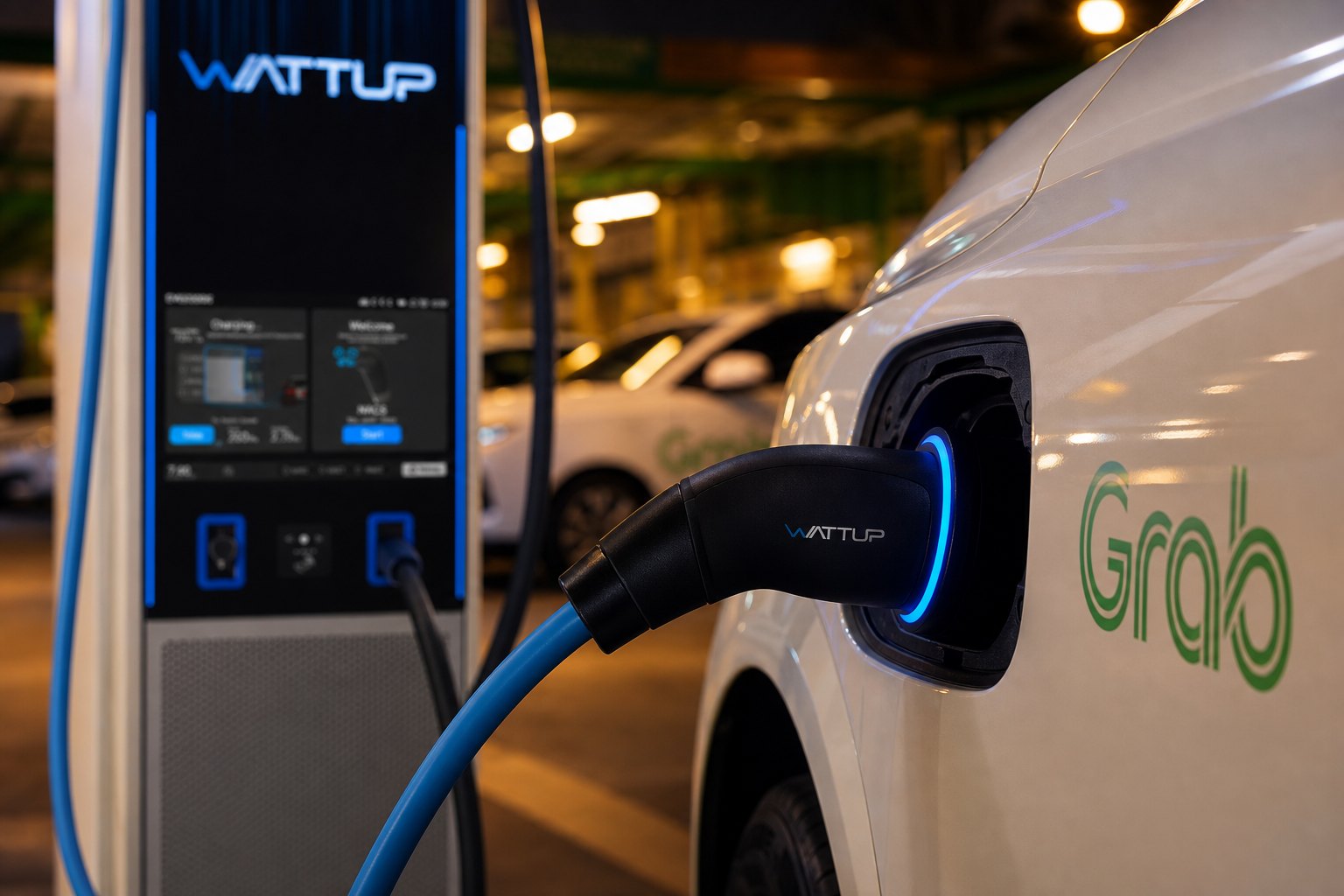
Close-up of a charging connector attached to a WattUp fleet vehicle during depot operations.
Current orientation

Designed around fleet-scale relationships with VinFast, BYD, and regional manufacturers.

The goal is not brand theatre. It is dependable, repeatable access to the right vehicles for each market at fleet terms that support long-term operator economics.

Carbon Credits

Carbon value should strengthen the model — never distract from it.

WattUp APAC handles the LCFS and voluntary carbon market pathway so operators can participate in eligible upside without needing to build specialist programme capability internally.

01

Measure and register

Eligible fleet activity is documented through the operating platform so crediting pathways can be assessed with real operating data.

02

Manage programme administration

WattUp APAC handles the registration and programme work required for LCFS and voluntary carbon market participation where relevant.

03

Share upside with partners

Carbon revenue is treated as part of the long-term fleet economics rather than a speculative add-on disconnected from operations.

Why it matters

Better fleet economics. Better reporting. Stronger long-term alignment.

Carbon-credit participation is treated as one part of a broader commercial model that also depends on operator performance, charging efficiency, vehicle uptime, and market-specific execution.

Talk to Our Team

Bring WattUp APAC into your fleet plan.

If you operate a fleet, are evaluating a new market, or want to explore a local partnership, start the conversation here.

01 Qualify fleet02 Contact details